


Transforming Stranded Energy into Community Power
In the rolling hills of southern Malawi and near Kenya's Hell's Gate National Park, an innovative approach to Bitcoin mining is rewriting the narrative about cryptocurrency's environmental impact.
Gridless, a Nairobi-based startup backed by Jack Dorsey's Block, has discovered a way to use Bitcoin mining not just as a profitable venture, but as a catalyst for rural electrification across Africa.
The Challenge: Africa's Electricity Gap
Approximately 600 million Africans lack access to electricity, representing about two-thirds of the continent's population. While major cities like Nairobi and Mombasa have reliable power, rural communities remain largely unconnected due to the challenges of extending national grids to remote areas.
The Gridless Solution: Mining as an Anchor Tenant
Gridless operates on a unique business model that addresses multiple problems simultaneously. The company partners with small-scale renewable energy producers—typically operating micro-hydroelectric plants, geothermal facilities, or solar installations producing between 20 kilowatts and 1 megawatt—to monetize their excess or "stranded" energy.
How It Works
Gridless co-locates Bitcoin mining operations with microgrids near rural communities, using whatever electricity isn't purchased by the community for mining Bitcoin. When community demand is low, the mining computers consume the excess power. When a local business turns on equipment or households need electricity, the mining operation automatically reduces its load in real-time.
The company developed proprietary software called Gridless OS to manage this delicate balance. The system monitors generation supply and grid demand conditions to determine how much excess energy is available, then adjusts miners accordingly. This ensures that paying customers always receive priority access to electricity while preventing any power from going to waste.
The Revenue Share Model
Unlike traditional Bitcoin mining operations that negotiate fixed electricity rates, Gridless operates exclusively on revenue sharing arrangements with energy producers, typically providing them with 30% of mining revenue. This innovative approach eliminates direct energy costs for Gridless while providing income streams for energy producers that previously earned nothing from their excess capacity.
As CEO Erik Hersman explained, "We only work with stranded energy. This means that we only use energy that has absolutely no other buyer. We aren't competing with industry or AI or any party that would be willing to pay more for the electricity; it's us or nothing."
Real-World Impact
The results of Gridless's operations demonstrate tangible community benefits:
Price Reductions
At one pilot site in Kenya, the hydro plant reduced power prices from 35 cents per kilowatt hour to 25 cents per kWh after partnering with Gridless, making electricity more affordable for local residents.
Expanded Access
Gridless's mining sites have powered 1,200 houses in Zambia, 1,800 in Malawi, and 5,000 in Kenya. The additional revenue from Bitcoin mining enables energy providers to extend their distribution networks and connect more households.
Community Infrastructure
Beyond residential electricity, the stable revenue from mining has funded:
- Containerized cold storage facilities for local farmers
- Battery charging stations for electric motorcycles
- Public WiFi access points
Environmental Conservation
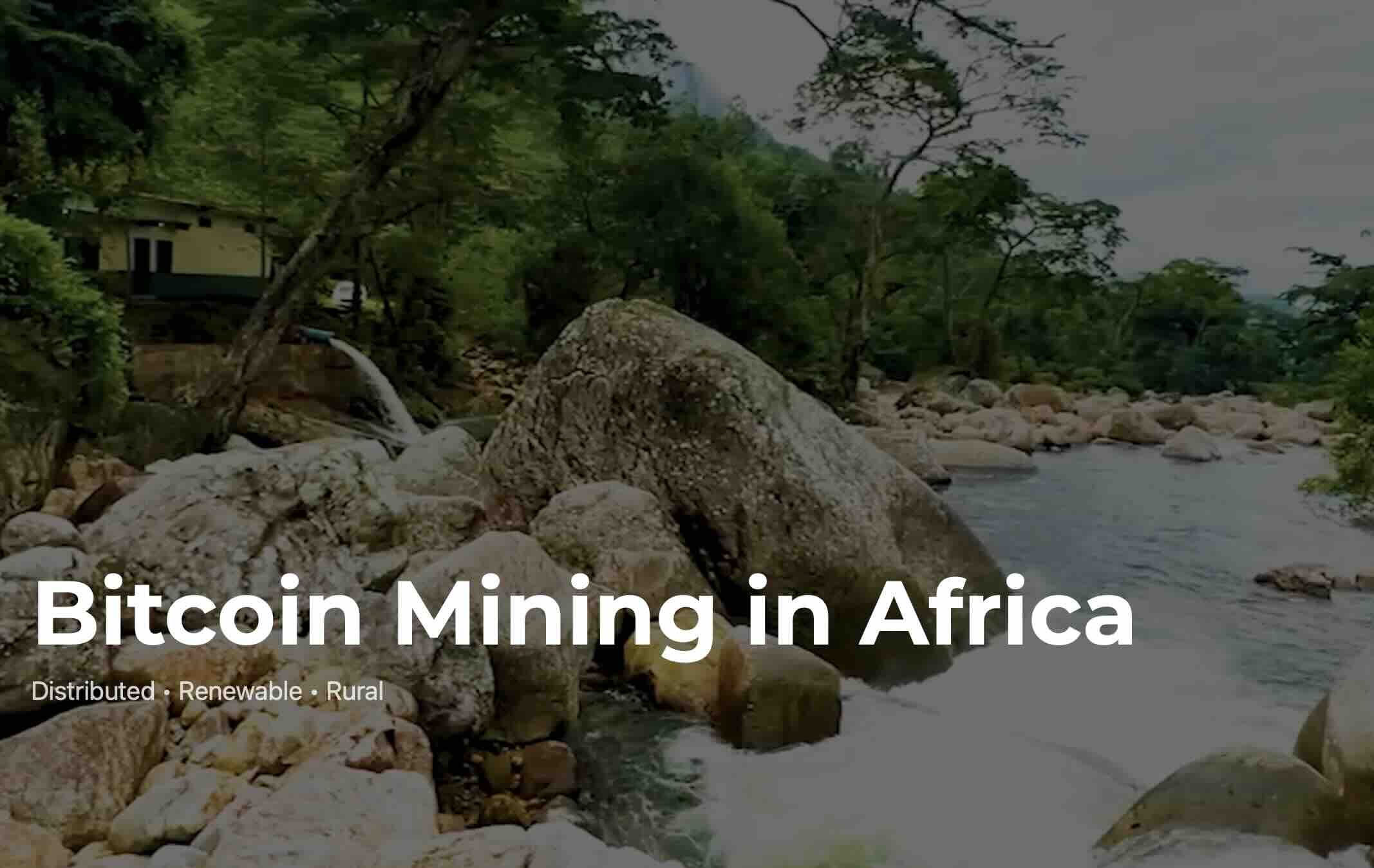
In Malawi, Gridless partnered with Mount Mulanje Conservation Trust on a micro-hydro power station, using excess power to mine Bitcoin while covering operating costs for the facility that provides electricity to thousands of villagers and supports biodiversity protection efforts.
Current Operations and Expansion
Gridless currently operates six mining sites across Kenya, Malawi, Zambia, and a fourth African country, utilizing a mix of renewable energy sources including hydroelectric, geothermal, solar, and biomass power.
The company's operations range from modest beginnings—starting with just six miners in a 50-kilowatt Kenyan hydro facility in 2022—to containerized facilities holding hundreds of mining machines. One notable site at Kenya's Hell's Gate National Park operates a 500-kilowatt mobile container powered by geothermal energy from a nearby extinct volcano.
Funding and Growth
In December 2022, Gridless secured $2 million in seed funding led by Jack Dorsey's Block and bitcoin-focused venture firm Stillmark, enabling the company to accelerate its expansion across African markets. The backing from high-profile Bitcoin advocates signals confidence in Gridless's dual mission of profitable mining and community development.
Gridless co-founded the Green Africa Mining Alliance (GAMA) in late 2022, bringing together renewable energy Bitcoin miners across the continent to share knowledge and assist newcomers in establishing operations.


Addressing the Environmental Debate
Bitcoin mining has faced persistent criticism for its energy consumption. However, some researchers note that energy companies selling to miners don't develop energy storage solutions, which may not help long-term green transformation.
Yet Gridless's model presents a different paradigm. Rather than consuming energy that could serve other purposes, the company specifically targets power that would otherwise be wasted due to lack of demand or grid infrastructure limitations. The model provides tangible examples of rural communities gaining access to electricity specifically because of Bitcoin mining.
Decentralizing the Bitcoin Network
Beyond its social impact, Gridless contributes to a strategic goal for the Bitcoin ecosystem: geographic decentralization. The Bitcoin network has historically been very centralized in North America and China. By establishing mining operations across multiple African countries powered by diverse renewable sources, Gridless helps distribute the computational power that secures Bitcoin's network.
Challenges and Future Outlook
Operating Bitcoin mining facilities in remote African locations presents unique challenges:
- Climate Variability: Environmental risks include situations like 40-year low rainfall in Kenya affecting hydroelectric generation
- Infrastructure Limitations: Remote locations require creative solutions for internet connectivity, equipment maintenance, and logistics
- Market Competition: As a relatively new model, Gridless currently has few direct competitors doing both microgrid development and Bitcoin mining
However, these challenges also represent opportunities. Gridless is rolling out community-first mining sites across Africa, with each operation acting as an anchor tenant for microgrid development. The company is exploring expansion into additional markets, including South Africa, and developing modules to enable small-scale solar operators to mine Bitcoin directly.
A Model for Sustainable Development
Gridless represents a convergence of cryptocurrency innovation and sustainable development. By solving the economic puzzle of rural electrification, making it profitable to serve low-density, low-income communities, the company demonstrates how Bitcoin mining can serve as more than just a computational security mechanism for a digital currency.
The model proves particularly relevant as Bitcoin mining continues evolving globally. While large-scale operations in Texas and Kazakhstan dominate headlines, Gridless shows that distributed, community-integrated mining can be both profitable and socially beneficial.
With approximately 600 million Africans still lacking electricity access and the continent's vast renewable energy resources remaining largely untapped, Gridless's approach offers a blueprint for how cryptocurrency mining can contribute to sustainable development rather than working against it. The company's success could inspire similar models across emerging markets, demonstrating that innovative applications of blockchain technology can align profit motives with social progress.
For more information about Gridless, visit gridlesscompute.com
