


Fees drop when you take Bitcoin. Global customers might show up out of nowhere, settlements happen fast, yes, but the processor you choose shapes everything behind the scenes. A wrong pick? It quietly breaks the rhythm.
Over here, BTCPay Server keeps showing up. Then there’s OpenNode, popping up just as much. Running on Bitcoin? Sure, both do that. Yet their paths split hard. Control lands fully in your hands with one. Complexity tags along like an uninvited guest. Simplicity rules the other. A fee rides every transaction, though. Convenience isn’t free.
Finding clarity here means cutting through noise. One choice runs tasks differently than the other, not better. Price tags shift depending on needs you already have. Matching power to purpose matters more than specs on a sheet. What works depends on how work happens.
BTCPay Server Explained?
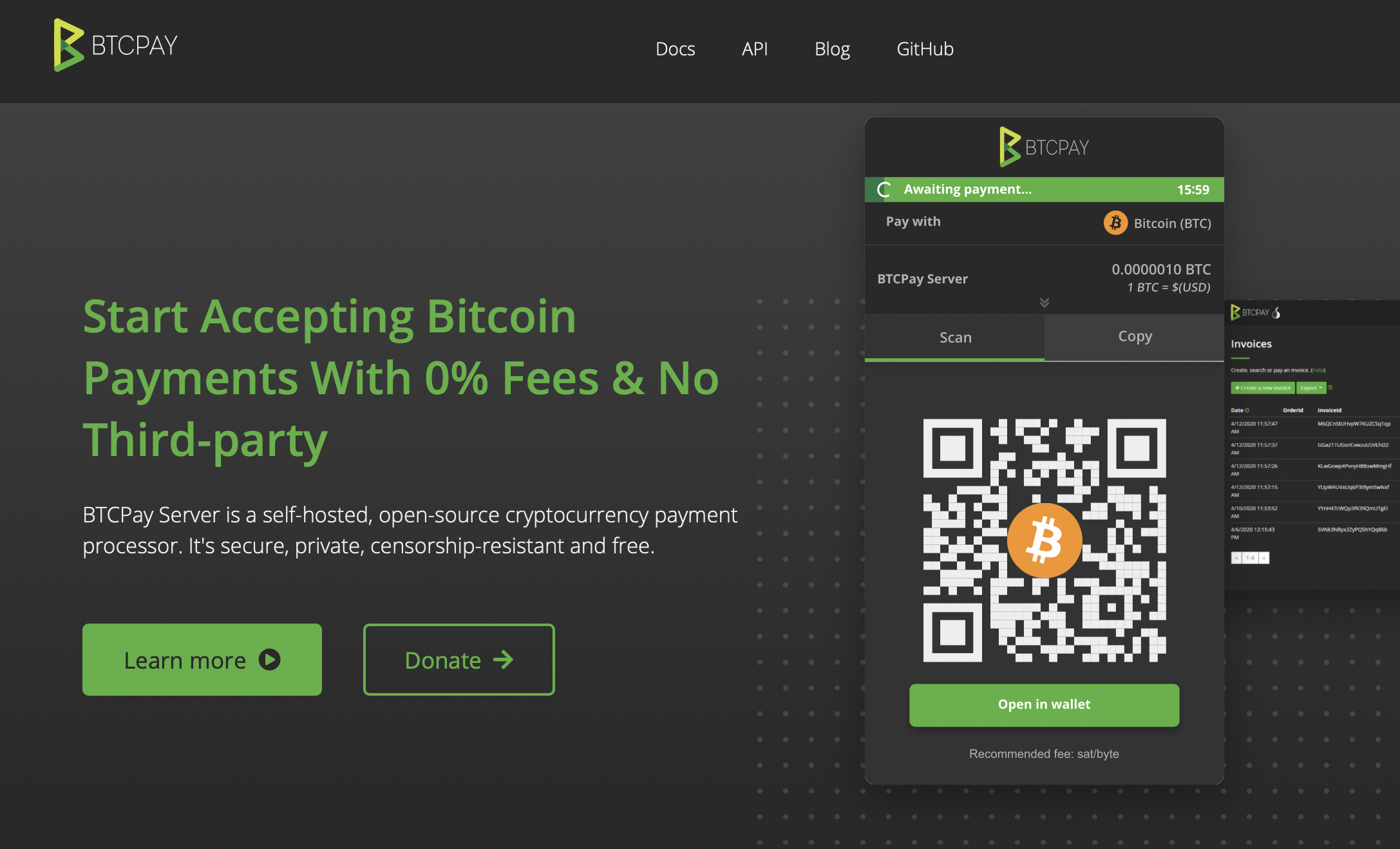
Running BTCPay Server means using code that belongs to everyone. Imagine setting up your own way to accept payments rather than paying to borrow another person’s setup.
Running right from your own systems, the software takes care of what a payment processor normally would. Invoices come together automatically, money movement gets followed closely, once things clear it lets you know. What sets it apart? All of it lives on servers you control.
How BTCPay Server Works
A setup like BTCPay Server goes on a machine you manage yourself. It might live in the cloud using something such as AWS or Azure, or sit right there in your workplace on physical gear.
From the start, payments flow into your personal wallet without detours. Your node links right to the Bitcoin network, nothing between it. Money moves only when someone sends it, arriving untouched. Each transaction skips third parties completely.
Whatever tweaks you need, the software opens right up. Tinker with how payments go through, drop in new tools, or hook it into whatever system runs your work.
Core Features of BTCPay Server
BTCPay Server delivers powerful capabilities for businesses serious about Bitcoin payments:
Payment Processing:
- Zero transaction fees on all payments
- Direct wallet deposits with no intermediaries
- Lightning Network integration for instant transactions
- Invoice generation for one-time or recurring payments
- QR code payment requests for easy scanning
- Customizable payment checkout experience
Cryptocurrency Support:
- Bitcoin (BTC) as primary currency
- Lightning Network for low-fee microtransactions
- Monero for privacy-focused payments
- Litecoin and other altcoins
- Multi-currency wallet management
- Flexible conversion options
E-commerce Integration:
- WooCommerce plugin for WordPress stores
- Shopify app for quick integration
- Magento extension for enterprise sites
- PrestaShop and OpenCart compatibility
- Custom API integration for any platform
- Point of sale (POS) app for in-person sales
Privacy and Security:
- Complete data sovereignty
- No customer tracking or analytics sharing
- Self-hosted infrastructure
- Full control over transaction data
- Private payment processing
- No third-party data access
Technical Features:
- Full Bitcoin node integration
- Customizable webhook notifications
- CSV export for accounting
- Advanced reporting capabilities
- Multi-store management
- User permission controls
BTCPay Server Technical Requirements
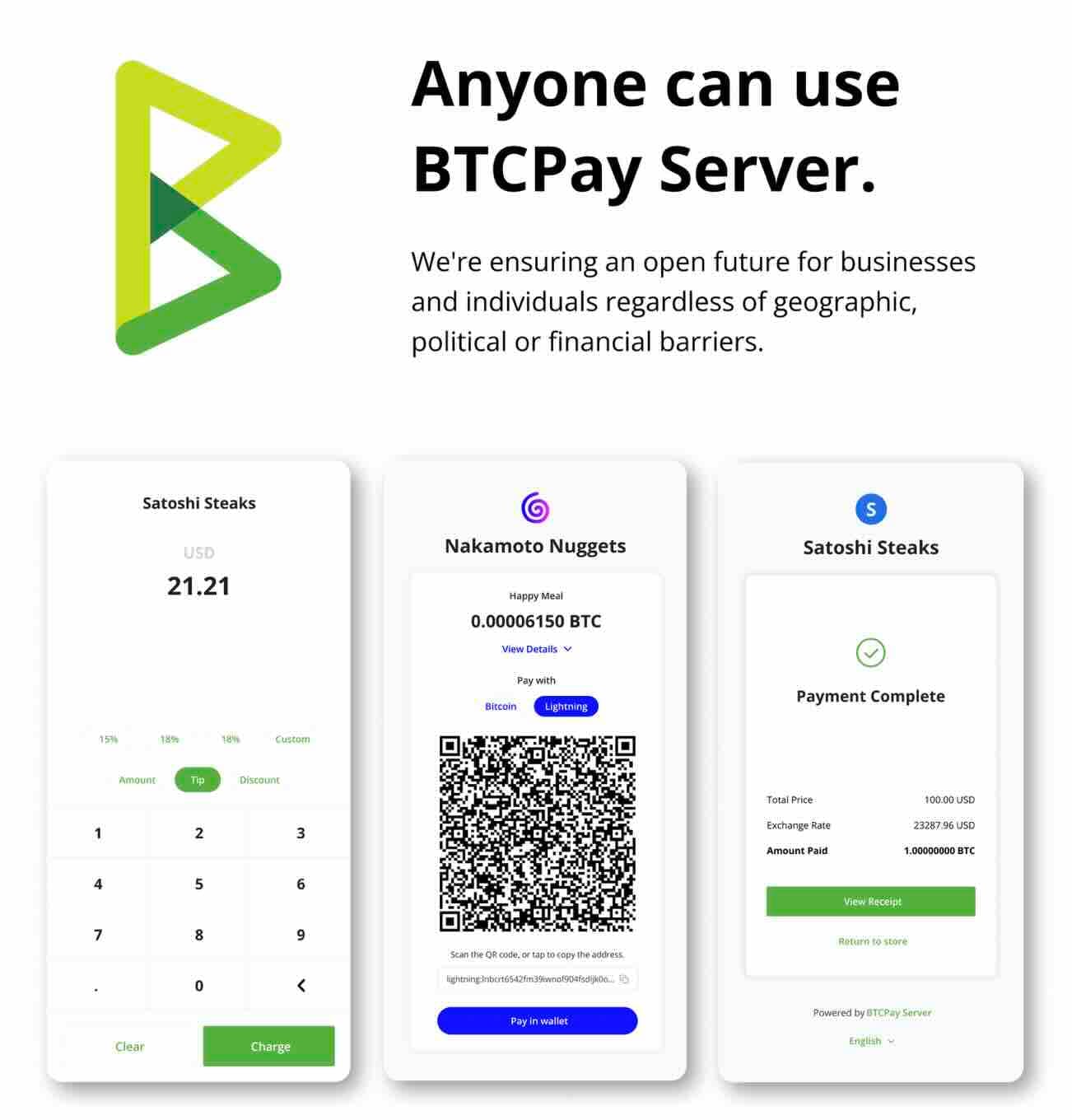
Running BTCPay Server requires actual technical knowledge. You need to:
- Set up and maintain a server
- Keep a Bitcoin full node synced (several hundred GB)
- Handle security updates and patches
- Troubleshoot issues when they arise
- Manage backups and disaster recovery
Third-party hosting services exist, but they charge fees and reduce your control. Most serious BTCPay users self-host for maximum independence.
The initial sync takes time. A full Bitcoin node needs to download the entire blockchain history before your system works properly.
BTCPay Server Cost Breakdown
Understanding the true cost matters for planning:
Initial Setup Costs:
- Server hardware or cloud hosting account
- Domain name registration (around $15/year)
- SSL certificate (often free with Let's Encrypt)
- Initial time investment for installation
- Optional: Developer help for custom features
Monthly Operating Costs:
- Cloud hosting: $10-$50 depending on traffic
- Bandwidth for Bitcoin node synchronization
- Storage for blockchain data (grows over time)
- Maintenance time from your team
- Backup storage solutions
Hidden Costs to Consider:
- Learning curve time investment
- Troubleshooting and debugging
- Security monitoring and updates
- Scaling infrastructure as volume grows
- Developer resources for customization
What Is OpenNode?
Starting with OpenNode means you get a ready-to-use system for payments. Once registered, plug in their software to take Bitcoin from customers. The company manages servers and updates behind the scenes. Tools work right after setup without extra steps.
Built only for Bitcoin, with support through the Lightning Network. Not handling alternative coins, nor layered systems across currencies.
How OpenNode Works
A fresh profile opens up at OpenNode. Link your system through their API, otherwise slip in their ready-made payment window right into your webpage.
Paying through Bitcoin? OpenNode handles the transfer using its network setup. Once a purchase happens, their tech spots it right away. Confirmation follows swiftly after detection. Your platform gets an alert once everything checks out.
Funds go where you want them. Either stay in Bitcoin inside your account, while OpenNode can switch it to regular money, sending straight to your bank.
OpenNode Pricing Structure
A single dollar out of every hundred goes to OpenNode as payment for handling each transaction. Getting started costs nothing, nor is there any requirement to process a certain amount each month.
Payouts that flash through? Zero cost, immediate delivery. Moving bitcoin across the chain? Pick a time slot ahead of launch.
Settlement costs through Fiat aren’t shown openly. Check exact conversion charges, currency gaps, timeframes by talking to someone on their sales side.
Now handling payouts to banks feels smooth if you’re a seller based in the U.S. Lately, those selling from Europe lost access to regular currency deposits.
BTCPay Server vs OpenNode: Direct Comparison
BTCPay Server Requirements:
- Server administration knowledge
- Understanding of Bitcoin nodes
- Command line comfort
- Networking basics
- Security best practices
- Ongoing maintenance capability
- Troubleshooting skills
OpenNode Requirements:
- Basic website integration skills
- API key management
- Simple plugin installation
- No server maintenance
- No Bitcoin infrastructure knowledge
- Minimal technical overhead
🏅 Winner for simplicity: OpenNode by a mile.
Cost Structure
BTCPay Server Expenses:
- Zero transaction fees ever
- Server hosting: $10-$50/month typically
- Your time for maintenance
- Bitcoin network fees (unavoidable)
- Optional developer costs
- Scaling infrastructure as needed
OpenNode Expenses:
- 1% transaction fee on all payments
- No hosting costs
- No maintenance overhead
- Bitcoin network fees (passed through)
- Potential fiat conversion fees
- KYC verification requirements
Cost Comparison Examples:
For $10,000 monthly volume:
- BTCPay Server: ~$50 hosting = $600/year
- OpenNode: $100/month fees = $1,200/year
For $50,000 monthly volume:
- BTCPay Server: ~$50 hosting = $600/year
- OpenNode: $500/month fees = $6,000/year
For $100,000 monthly volume:
- BTCPay Server: ~$100 hosting = $1,200/year
- OpenNode: $1,000/month fees = $12,000/year
🏅 Winner for cost: BTCPay Server for businesses processing significant volume. OpenNode for businesses just starting out.
Control and Privacy
BTCPay Server Control:
- Your server, your rules
- Complete data ownership
- No account freezes possible
- No terms of service changes
- Private transaction data
- Self-custodial funds
- No KYC requirements
OpenNode Control:
- They control infrastructure
- Account termination possible
- Terms can change
- KYC verification required
- Transaction monitoring
- Custodial until settlement
- Must trust third party
✅ Winner for control: BTCPay Server, absolutely.
Features and Capabilities
BTCPay Server Advantages:
- Unlimited customization potential
- Multiple cryptocurrency support
- Open-source flexibility
- Community plugin ecosystem
- Advanced automation options
- Self-sovereign operations
- No vendor lock-in
OpenNode Advantages:
- Bitcoin-focused optimization
- Built-in fiat settlement
- Professional support team
- Managed infrastructure
- Faster deployment
- Proven reliability
- Less maintenance burden
✅ Winner for features: Depends on your needs. BTCPay for flexibility, OpenNode for Bitcoin-specific polish.
Reliability and Support
BTCPay Server Support:
- Community forums
- Extensive documentation
- GitHub issue tracking
- No guaranteed response times
- Self-service troubleshooting
- Developer community help
- Learning curve required
OpenNode Support:
- Professional support team
- Email and chat channels
- Account managers for larger clients
- Guaranteed uptime SLA
- Infrastructure monitoring
- Security incident response
- Proactive issue resolution
✅ Winner for support: OpenNode for most businesses.
Geographic Availability
BTCPay Server Access:
- Works anywhere globally
- No geographic restrictions
- Deploy in any jurisdiction
- Complete location independence
- No regional limitations
- Privacy-focused operations
OpenNode Access:
- Available worldwide for Bitcoin
- Fiat settlement limited by region
- Primarily US-focused for banking
- KYC varies by country
- Regulatory compliance needed
- Regional feature differences
Winner for availability: BTCPay Server for true global access.
Scalability
BTCPay Server Scaling:
- Manual infrastructure upgrades
- Control over resources
- Cost scales with actual usage
- Performance optimization available
- Load balancing possible
- Your responsibility to manage
OpenNode Scaling:
- Automatic infrastructure scaling
- No manual upgrades needed
- Fixed percentage costs
- Professional optimization
- High-volume handling
- Managed by their team
Winner for scalability: Tied. BTCPay gives you more control, OpenNode removes the hassle.
Who Should Choose BTCPay Server?
BTCPay Server makes sense for specific types of businesse.
👉 Privacy-focused merchants : If customer privacy and data sovereignty matter, self-hosting is the only real option. No third party sees your transaction data.
👉High-volume businesses : Processing $50,000+ monthly means OpenNode's 1% fee ($500+/month) exceeds BTCPay hosting costs significantly.
👉Technical teams : If you have developers or IT staff, BTCPay leverages their skills. The initial learning curve pays off with complete control.
👉 Bitcoin purists : Businesses committed to the core Bitcoin ethos of self-sovereignty and decentralization prefer eliminating middlemen entirely.
👉 Multi-cryptocurrency needs : If you want to accept coins beyond Bitcoin, BTCPay supports them. OpenNode doesn't.
👉 Long-term Bitcoin holders : If you plan to keep Bitcoin rather than convert to fiat, BTCPay's custody model aligns perfectly.
👉Real-world example: A Bitcoin-only VPN service or a tech company selling to crypto enthusiasts would benefit from BTCPay Server's philosophy and cost structure.
Who Should Choose OpenNode?
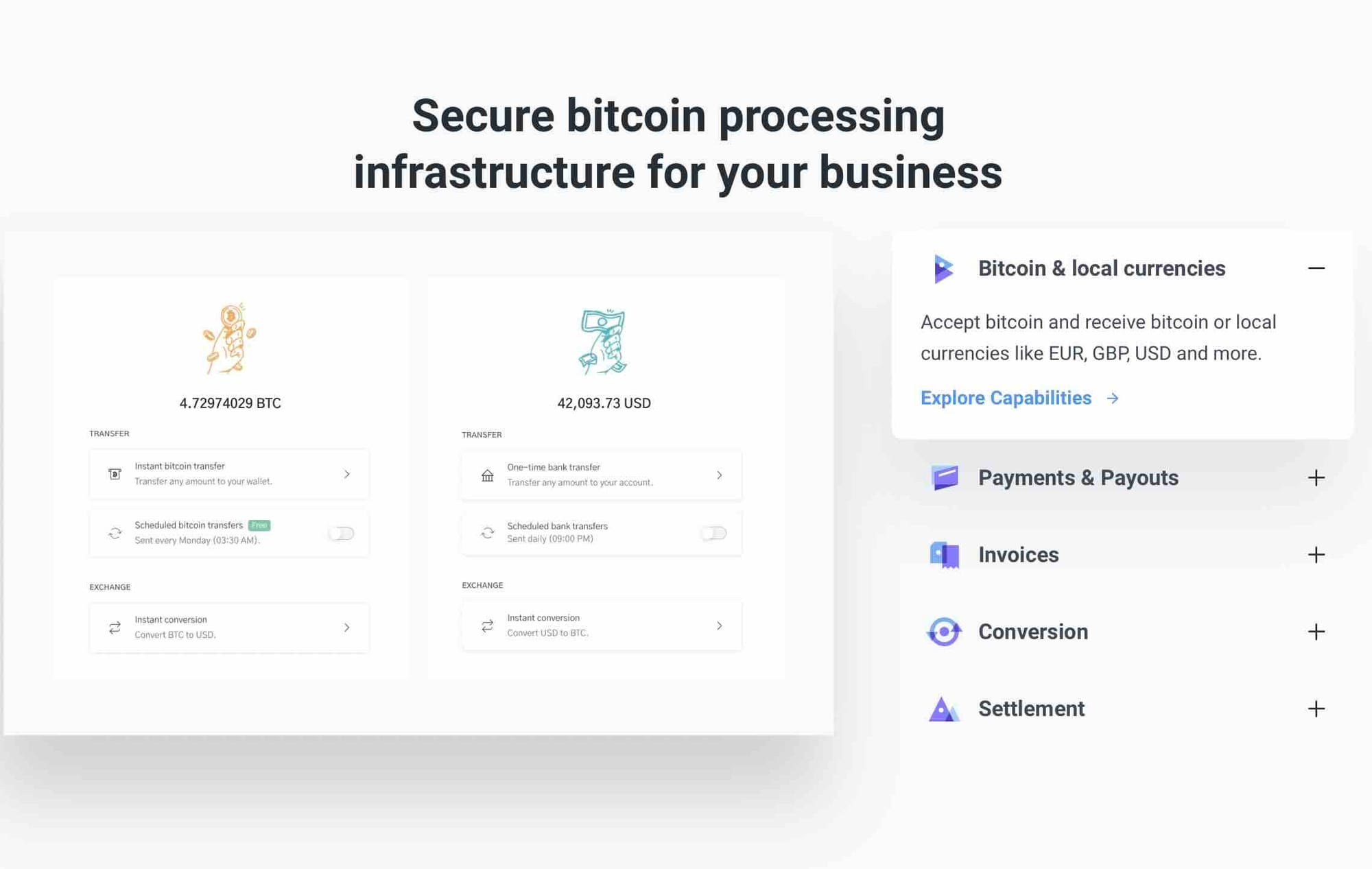
OpenNode fits different business profiles.
- Businesses new to Bitcoin : Testing Bitcoin payments without committing to infrastructure makes sense. Start with OpenNode, switch later if needed.
- Companies without technical resources : If you lack developers or IT staff, OpenNode's managed service removes the technical burden.
- Businesses needing fiat conversion : Companies that must convert Bitcoin to dollars for accounting or operations need OpenNode's settlement features.
- Lower-volume merchants : Processing $5,000 monthly means OpenNode costs $50, probably less than your time managing BTCPay Server.
- US-based businesses: OpenNode's bank settlement works best for American merchants. European options are more limited.
- Fast deployment needs : Launching in days instead of weeks matters for time-sensitive projects or seasonal businesses.
- Real-world example: A small e-commerce store adding Bitcoin as a payment option alongside credit cards would benefit from OpenNode's simplicity and speed.
Alternative Bitcoin Payment Processors
Neither BTCPay nor OpenNode fits every situation. Consider these alternatives:
BitPay
The oldest major Bitcoin processor. Broader cryptocurrency support than OpenNode, but similar hosted model. Good for established businesses wanting multiple coins.
CoinGate
Strong for European merchants. Supports many cryptocurrencies and offers good e-commerce integrations.
Coinbase Commerce
Best if you're already in the Coinbase ecosystem. 1% flat fee like OpenNode. Focus on EVM-compatible chains rather than Bitcoin specifically.
Strike
Consumer-focused but offers merchant tools. Particularly strong for Lightning Network payments and cross-border transfers.
You can read our Strike's Review.
NOWPayments
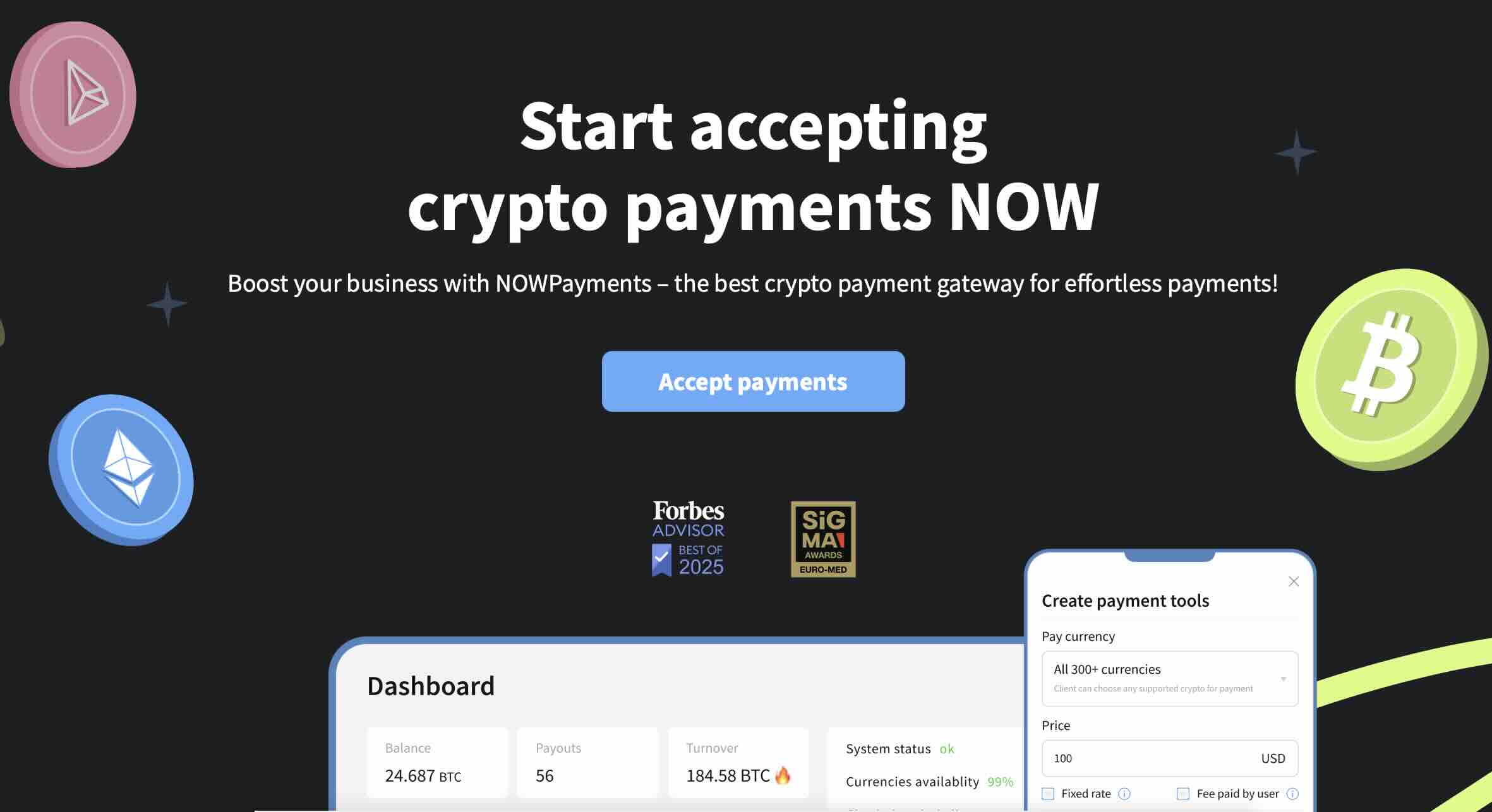
Supports 300+ cryptocurrencies. Non-custodial model. Good for businesses wanting broad crypto acceptance beyond Bitcoin.
Each serves different needs. Your choice depends on technical capabilities, transaction volume, and business priorities.
Final Thoughts
One path leans on freedom, another on speed. BTCPay Server builds independence through self-hosted control. OpenNode moves money fast using centralized tools. Each answers the same need differently. One grows roots, the other stretches reach.
One way to see BTCPay Server is through Bitcoin’s original ideals. Freedom over your money, staying private, fewer middlemen getting involved. Staying in charge means putting in effort, knowing how things work behind the scenes. Full ownership comes at a price, time, learning, but runs cheap once it clicks. Control shifts back where it belongs, without fees piling up month after month.
Truth sits at the center of what OpenNode does. Getting Bitcoin into shops and offices, no coding skills needed. Smooth setup comes at a cost, yet plenty of companies see value in skipping complexity. Worth it, they decide.
A single option isn’t flawed, each fits distinct goals, separate points in a company’s path. What matters grows clearer when timing shifts.
Disclaimer
This article provides general information only and should not be considered financial, legal, or investment advice. Cryptocurrency payments involve risks including price volatility and regulatory changes. Always conduct your own research and consult qualified professionals before making business decisions regarding Bitcoin payment processing.
