


Fast, cheap, and actually usable Bitcoin wallets
What is the Lightning Network?
If you’ve ever tried to pay with Bitcoin and thought “this is slow” or “why are the fees so high?”, that’s exactly why Lightning exists.
The Lightning Network is a second layer built on top of Bitcoin.
It allows you to send and receive Bitcoin:
- ⚡ Almost instantly
- 💸 With very low fees
- 🛒 Perfect for everyday payments (coffee, subscriptions, small purchases)
Think of it like this:
👉 Bitcoin = settlement layer
👉 Lightning = payments layer
Lightning wallets are designed for spending, not long-term cold storage.
How we chose these wallets
This list focuses on wallets that are:
- Reliable in real life (not just on paper)
- Actively maintained in 2024–2025
- Easy enough for normal humans
- Actually used by merchants and users
Some are beginner-friendly, others are more advanced — I’ll tell you which is which.
1. Phoenix Wallet (Android & iOS)
Phoenix is one of the best all-around Lightning wallets right now. It’s a self-custodial wallet, but it hides most of the complexity. Channels, liquidity, routing — Phoenix handles it quietly in the background.
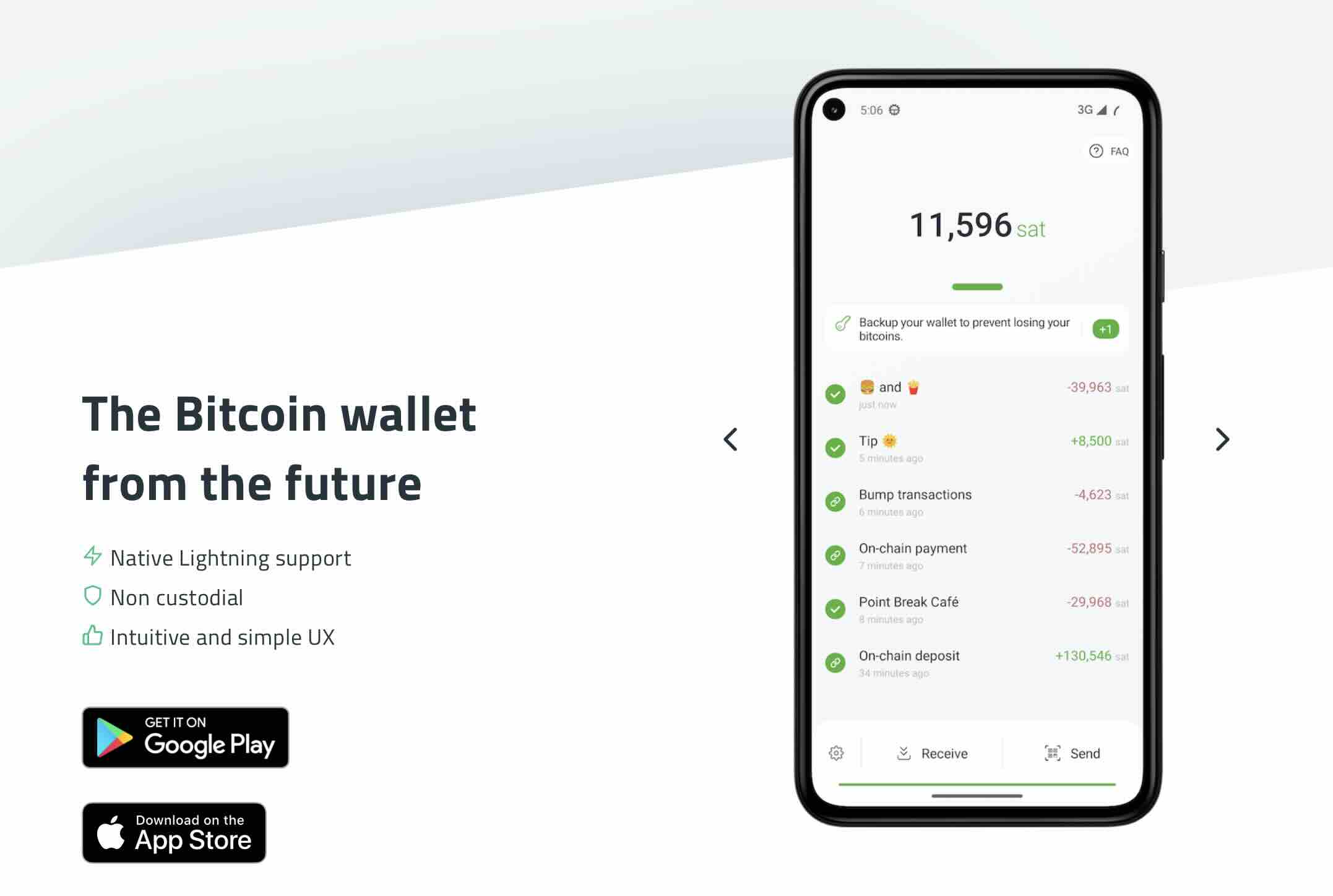
Why people love it:
- Very easy to use
- Reliable payments
- Clean interface
- Non-custodial (you control your keys)
Good to know:
- Small on-chain fee when you first receive funds
- Less control for advanced users
👉 Perfect if you want Lightning without headaches.
2. Breez Wallet
Breez is a Lightning wallet built for real payments, especially for merchants and daily use. It includes Point of Sale features, podcast streaming payments, and other Lightning-native tools.
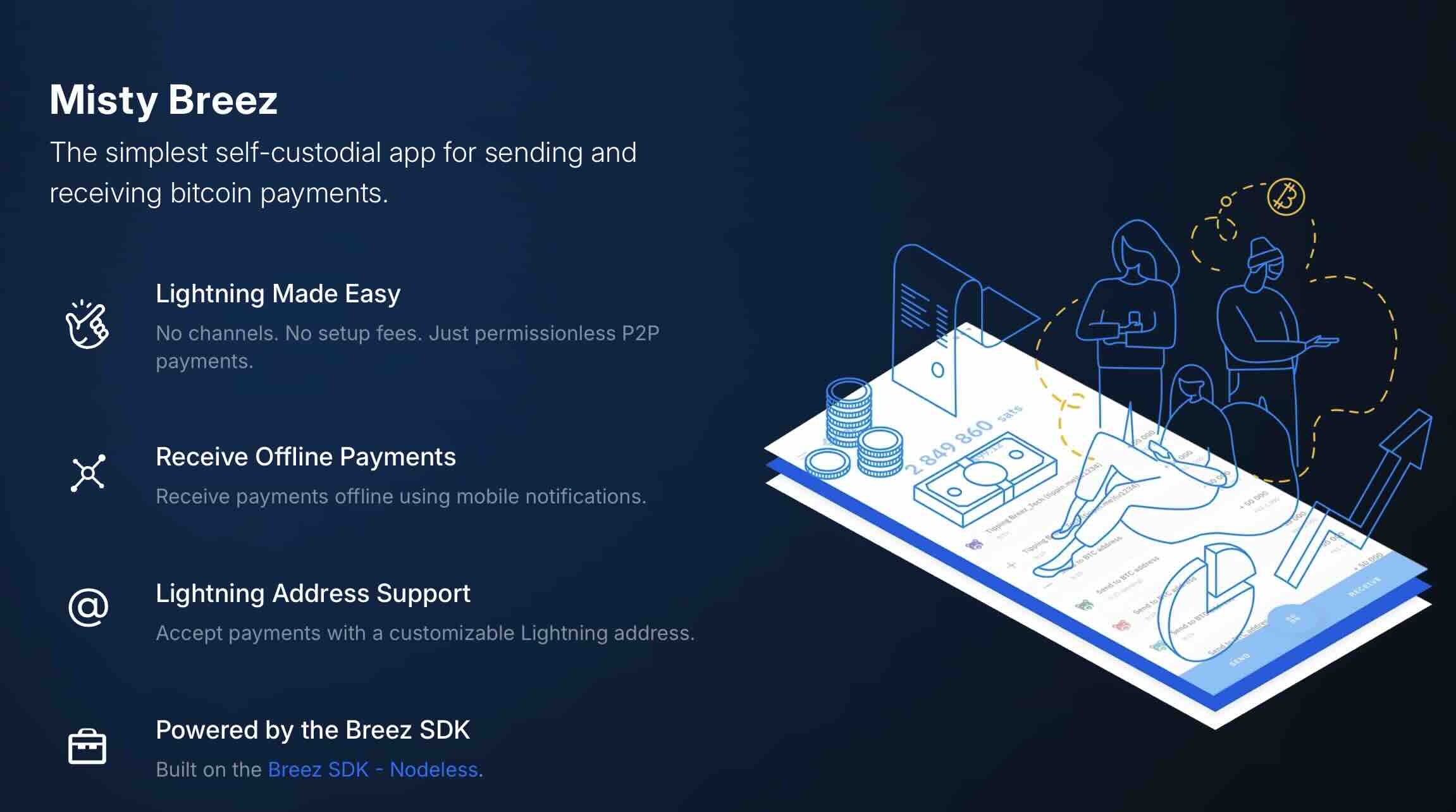
Why it stands out:
- Great for merchants
- Built-in Lightning services
- Clean UX
- Non-custodial
Limitations:
- Slightly heavier app
- Not ideal for pure “set and forget” users
👉 Excellent if you actually pay or get paid with Lightning.
 Nakamoto Builder
3. Wallet of Satoshi (Beginner favorite)
Wallet of Satoshi is probably the easiest Lightning wallet in the world.
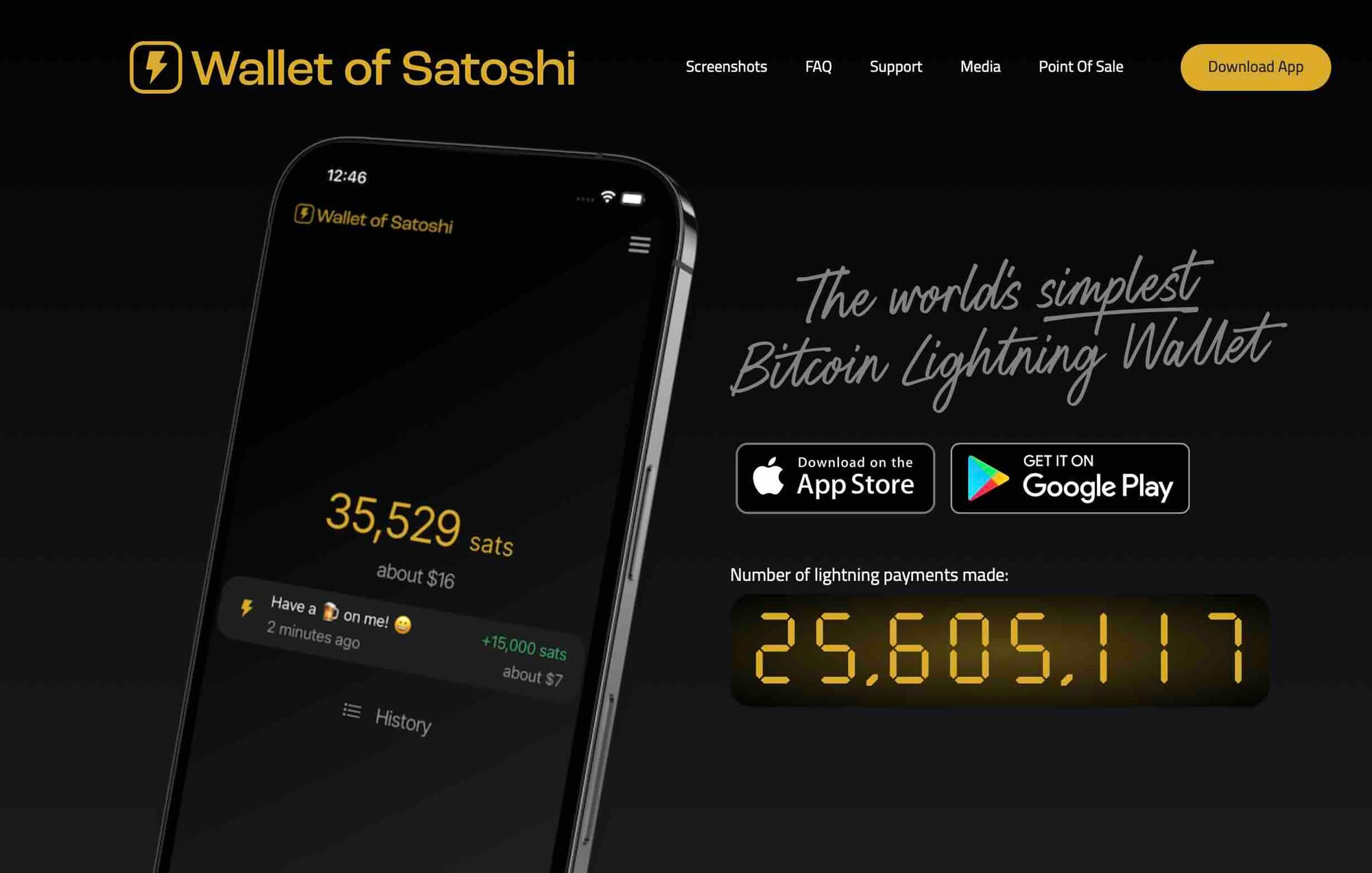
You install it, scan a QR code, and it just works.
Pros:
- Zero complexity
- Instant payments
- Perfect for first Lightning experience
- ❗ Since 2025, Wallet of Satoshi allows users to choose between a custodial and a non-custodial setup, giving more flexibility depending on their preferences and level of experience.
Cons (important):
- Not ideal for large amounts
👉 Great for learning Lightning, not for sovereignty.
4. Muun Wallet
Muun is a hybrid wallet that mixes on-chain and Lightning in a very clever way.
You don’t see channels or invoices complexity — Muun routes payments automatically.
Why people like it:
- Extremely simple UX
- Works with both Bitcoin & Lightning
- Nice design
Downsides:
- Higher fees than pure Lightning wallets
- Less “pure Lightning” philosophy
👉 Very good bridge wallet if you’re coming from regular Bitcoin.
 Nakamoto Builder
5. BlueWallet (Lightning via LNDHub)
BlueWallet has been around forever and is still widely used. Its Lightning functionality works via LNDHub, which means it’s custodial by default, unless you connect your own node.
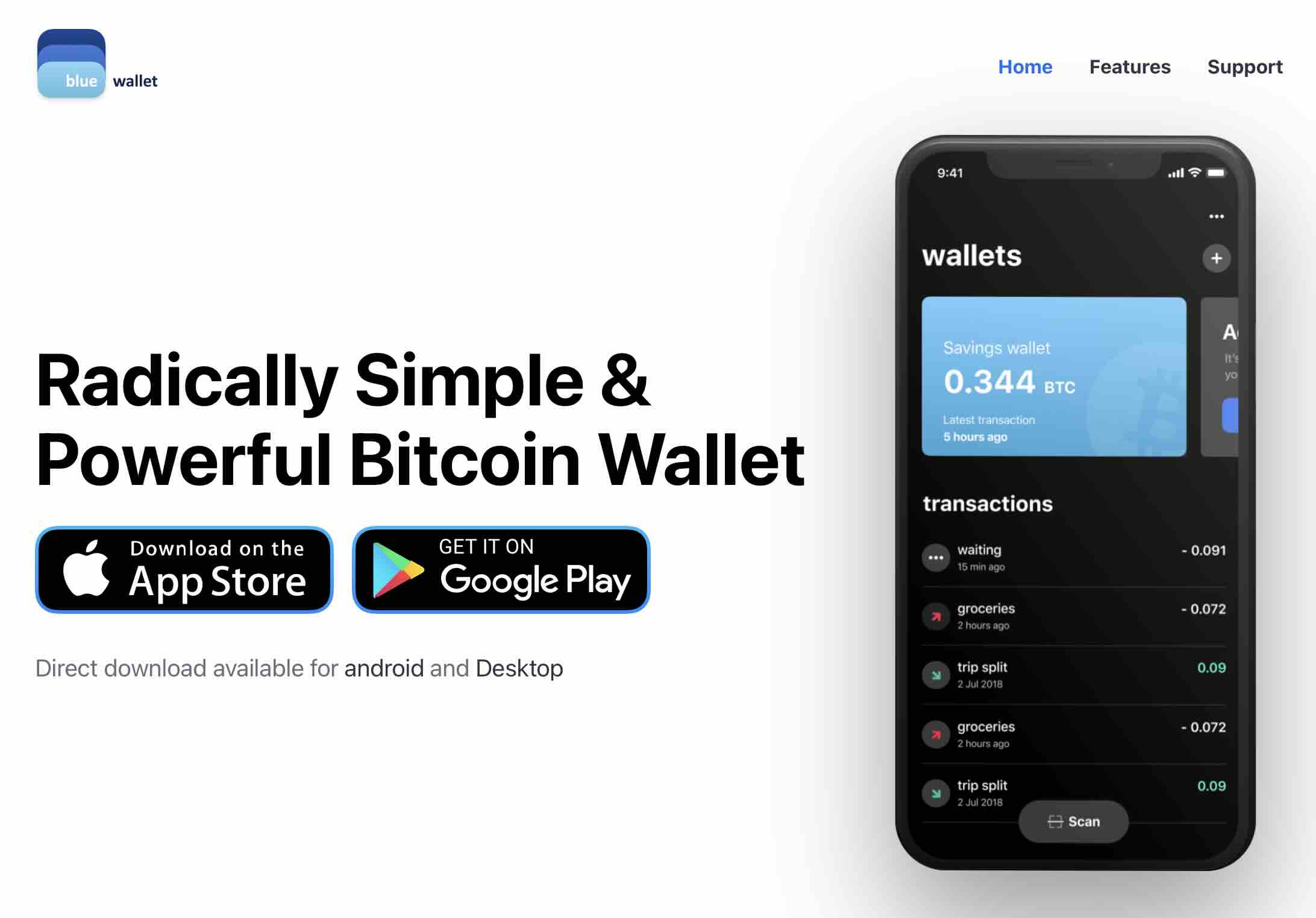
Pros:
- Simple
- Familiar to many users
- Can connect to your own node
Cons:
- Custodial Lightning by default
- Not the most modern UX
👉 Solid choice if you already know BlueWallet.
 Nakamoto Builder
6. Zeus Wallet (Advanced users)

Zeus is not for beginners and that’s okay.
It’s designed to connect to your own Lightning node, giving you full control over channels, routing, and liquidity.
Why it’s powerful:
- Full sovereignty
- Node management
- Professional-grade tool
Why it’s not for everyone:
- Requires your own node
- Steep learning curve
👉 For builders, node runners, and power users.
 Nakamoto Builder
7. Blixt Wallet
Blixt is an open-source Lightning wallet that gives users more transparency and control.
It’s popular among people who want to understand what Lightning is doing under the hood.
Pros:
- Open source
- Non-custodial
- More control than Phoenix
Cons:
- UX less polished
- Android-only
👉 Great if you want to learn Lightning properly.
8. Strike (Payments-first approach)
Strike isn’t a classic Bitcoin wallet, it’s a payments app powered by Lightning.
You can send Bitcoin, receive Bitcoin, or even pay without touching BTC directly.
Pros:
- Extremely fast
- Very user-friendly
- Great for international payments
Cons:
- Custodial
- KYC required in many regions
👉 Useful for payments, not for holding Bitcoin.
 Nakamoto Builder
9. Cash App (Lightning-enabled)
Cash App added Lightning support, making Bitcoin payments much easier for mainstream users.
Pros:
- Very easy to use
- Large user base
- Lightning support built-in
Cons:
- Fully custodial
- KYC required
- Not Bitcoin-only philosophy
👉 Convenient, but not sovereign.
10. Alby Wallet (Web & browser-based)
Alby is popular in the Lightning + web ecosystem, especially for tipping, streaming payments, and online usage.
Pros:
- Browser extension
- Works great for online payments
- Integrates with many Lightning apps
Cons:
- Custodial by default (unless self-hosted)
- Not ideal for offline payments
👉 Excellent for web-native Lightning use.
Quick comparison
- Best overall: Phoenix
- Best for merchants: Breez
- Best for beginners: Wallet of Satoshi
- Best hybrid: Muun
- Best for power users: Zeus
- Best web payments: Alby
Final thoughts
Lightning is no longer experimental. Nowadays, it’s the best way to actually use Bitcoin for payments.
The right wallet depends on one simple question:
Do you want convenience, control, or full sovereignty?
Start simple.
Move up as you learn.
And never forget: Lightning is for spending, not storing your life savings.
Disclaimer : This article is provided for informational and educational purposes only and does not constitute financial, investment, or legal advice. Bitcoin and Lightning wallets involve risk, and you are solely responsible for your choices and security practices. Always do your own research and never invest or transact funds you cannot afford to lose.
