


Not everyone realizes how far Lightning Network has come since its start as Bitcoin’s way to handle payments. Quick transfers, tiny costs: that was just the beginning. Now, under the surface, things are different. By 2026, it runs apps you wouldn’t link to spending sats on a latte. What once felt narrow now stretches into areas few predicted.
Not your typical tale of moving money around. Picture real situations pushing Lightning beyond what anyone imagined possible.
Lightning Network Explained?
A path runs above Bitcoin’s base, handling payments without cluttering the chain. These get confirmed afterward, not right away. Imagine ordering drinks under one bill rather than pulling cash each time.
A fresh start came in 2018. Speed and lower costs drove early interest in moving Bitcoin around. Come November 2025, stored value passed 5,600 BTC, close to half a billion dollars. Business adoption jumped during 2024, outpacing every earlier period. Now it's not just about how fast or cheap things are.
1. Send Tips to Creators Right After Their Posts
Folks can share messages through a system that belongs to no single company. Imagine something similar to Twitter, yet entirely open. Built without central control, its design lets users tip each other using small transactions. These digital tips move fast thanks to a payment layer known as Lightning Network
Spot something you enjoy? Tap once. A tiny bit of Bitcoin heads straight to the maker, no middleman keeping part. Not slowed down. Not buried by invisible rules. Nothing stands in the way.
Back in early 2024, people shot off more than 3.6 million zaps across Nostr in half a year flat. A few folks say tossing up meme posts pulled in bigger returns than managing their own Lightning network setups. Unlike old-school platforms, each click or comment here moves actual cash around, no pretending.
Flick open your Lightning wallet, link it to something like Damus, Primal, or Amethyst, zaps fire off right after. Just a few seconds stand between setup and sending.
2. Games That Pay Real Bitcoin
Fresh payouts hit screens now, gamers grab real cash just by leveling up. Think less fake credits. More hard Bitcoin landing in wallets. No middlemen coins either. Just the digital gold itself, flowing straight from gameplay.
Starting off, Zebedee created a system where game makers get to include Bitcoin prizes. Earning small amounts of Bitcoin happens by hitting goals, taking wins, or finishing tasks inside games. Once gameplay ends, cash sits ready in your digital wallet.
Back in 2025, Apple gave SaruTobi the green light - first iOS game ever to take Bitcoin via Lightning. That move sidestepped the standard 15-to-30 percent fee Apple typically claims. Without needing a credit card, gamers bought items directly. Middlemen like traditional payment systems? Left out entirely.
LightNite exists too - a game where scoring kills gives Bitcoin, but dying takes some away. In PenguinShooter, people watching send money to change what happens during someone’s live play session. Not ideas anymore. Right now, these games are running. Real ones. Ready to go.
It runs on Lightning, since tiny payments finally work. Old systems fail at fractions of a dollar. This one clears them fast.
 Moctar Builder
3. Send money overseas with almost no fees
Each year, around six hundred billion dollars moves across borders as payments sent home. Most of these funds - about seventy-five percent, go to nations where incomes are lower or moderate. Old-style money transfer systems often demand steep costs. Waiting several days is common before the amount arrives.
Fractions of a cent cover the cost, yet payments fly instantly through Lightning. Seconds after sending, cash reaches relatives in El Salvador from a jobholder in the U.S. Banks stay out of it entirely. Forget Western Union’s slow crawl. Those old 5-to-10 percent charges? Gone without warning.
By 2026, Square, recently renamed Block, will let all 4 million of its merchant accounts take payments via the Lightning network. While firms such as BitPay and OpenNode have offered this option to many companies for some time now, the expansion marks a broader shift. Sellers may choose to keep proceeds in Bitcoin or switch them into fiat money right away.
One way El Salvador changed things was making Bitcoin official money back in 2021. Come 2026, nearly every adult there might be able to pay using Lightning tech. Shops accept it when people grab food. Even power and water providers take it instead of cash.
4. Stream Podcasts and Earn Bitcoin with Fountain
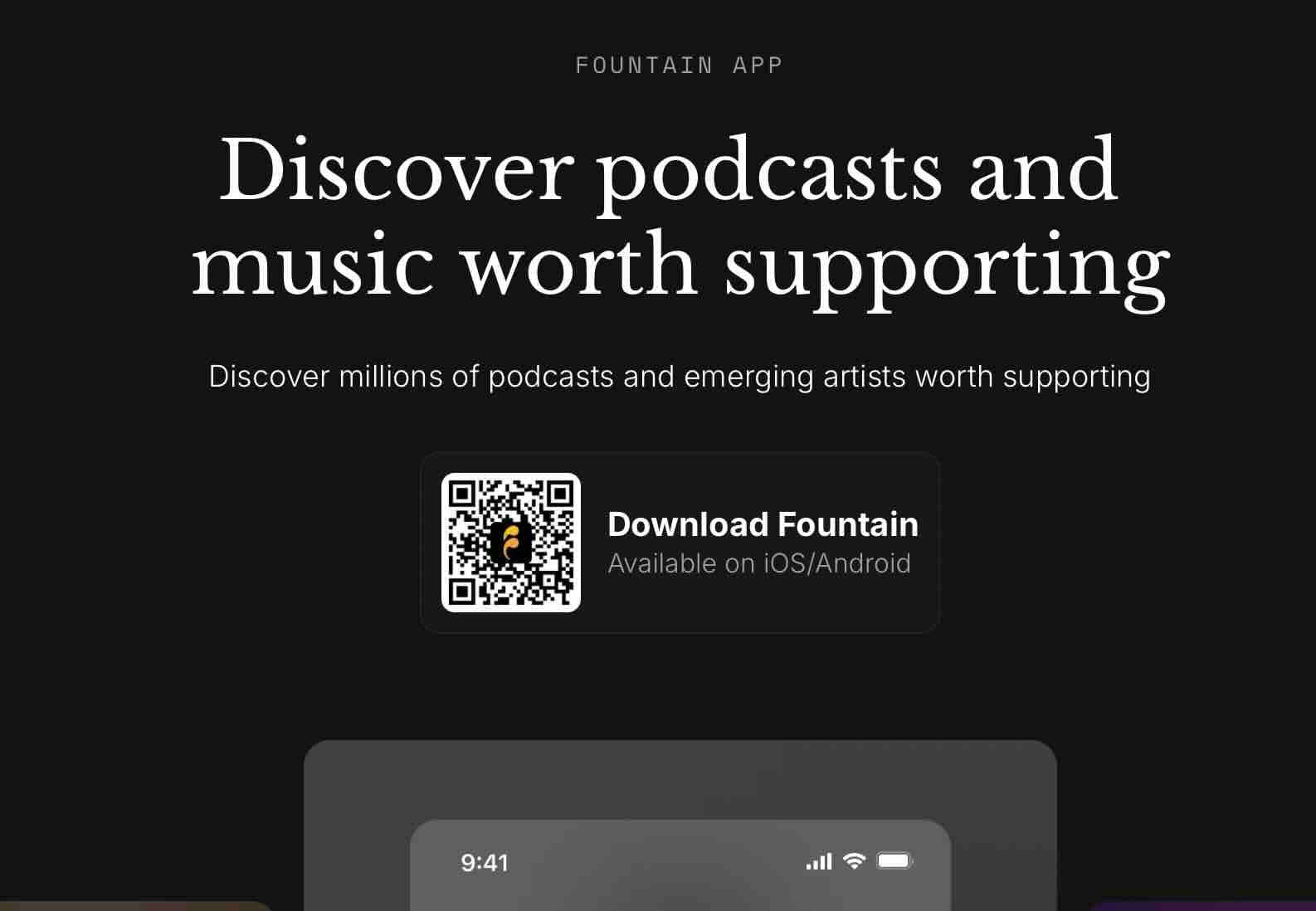
Forget traditional podcast apps with ads and subscriptions. Fountain turns listening into earning. You can stream sats (satoshis) directly to your favorite podcast creators while you listen, and earn bitcoin rewards for your time and engagement.
Fountain app : it's a complete reversal of the traditional media model, instead of being the product, you're getting paid.
 Nakamoto Builder
5. Earn Routing Fees by Running an Amboss Node
Your Lightning node can become a passive income generator.
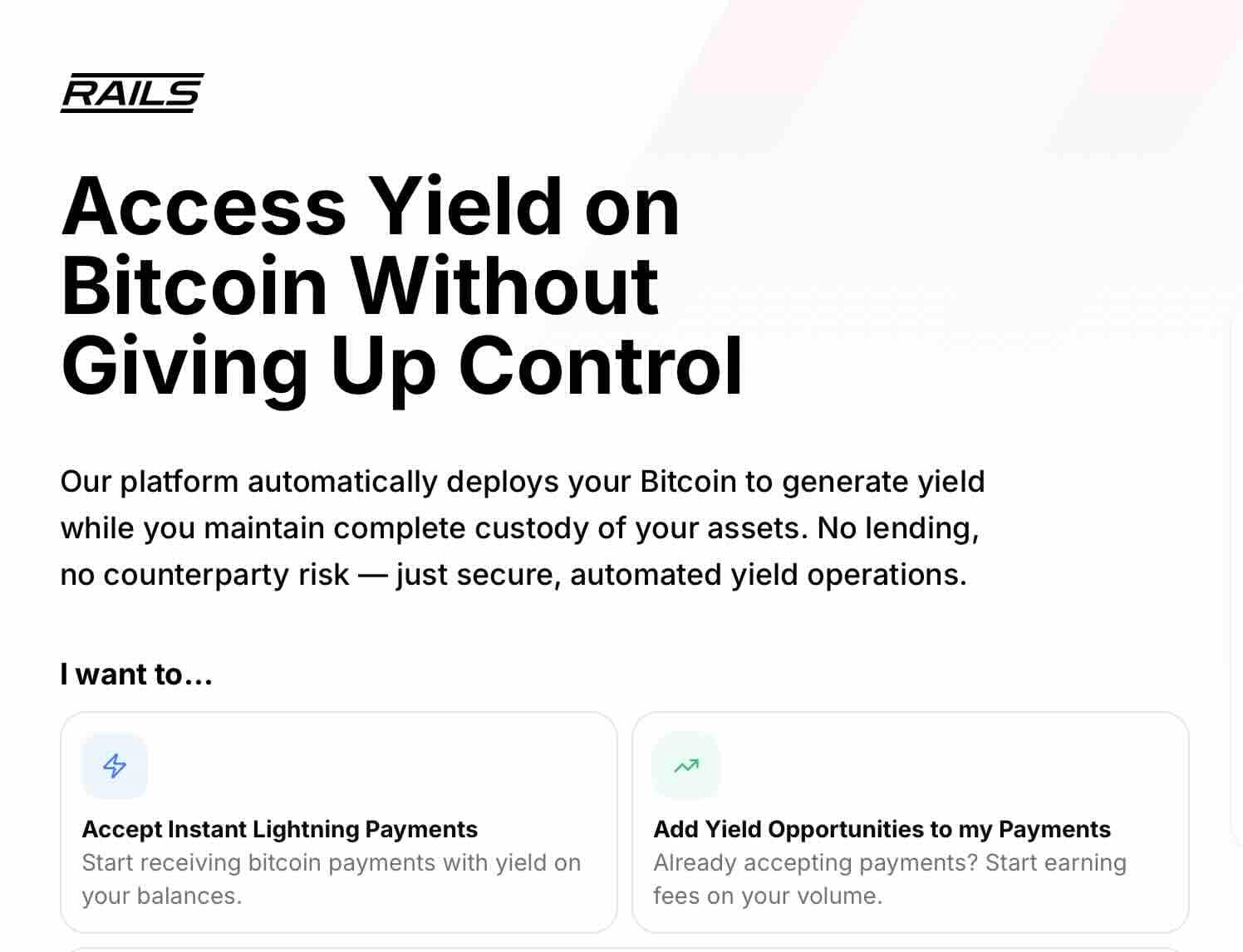
Amboss helps node operators optimize their channels and earn routing fees by facilitating payments across the network. Some operators are making meaningful side income just by keeping the network liquid and efficient.
6. Pay For What You Use
Each subscription works like an on-off switch. Pay fifteen dollars monthly, regardless of logging in one time or daily without fail.
Imagine paying just for what you use. With Lightning, that becomes possible. A single movie minute on Netflix costs a tiny amount. Reading one article? Pay once, then move on. Fees adjust instantly to your habits. No more subscriptions hanging around unused. Every click has its own price tag.
What if watching a show charged you only for the seconds you actually viewed? Some streaming platforms are testing that idea right now. Rather than flat monthly bills, tiny payments add up based on real-time usage. "A shift like this might pull in around 700 million people onto the Lightning network within six years", says Arcane Research.
Pay less when you stream just once a month. This setup fits better if shows aren’t a daily habit. Instead of a flat fee, your cost matches how much you watch. Lightning charges by usage, not promises.
7. Create Decentralized Marketplaces Without Platform Fees
Fees vanish when buyers pay sellers straight through lightning. Skip platforms like Etsy or eBay entirely. Middlemen take nothing, no 10%, no 15%. Payments happen fast, peer to peer.
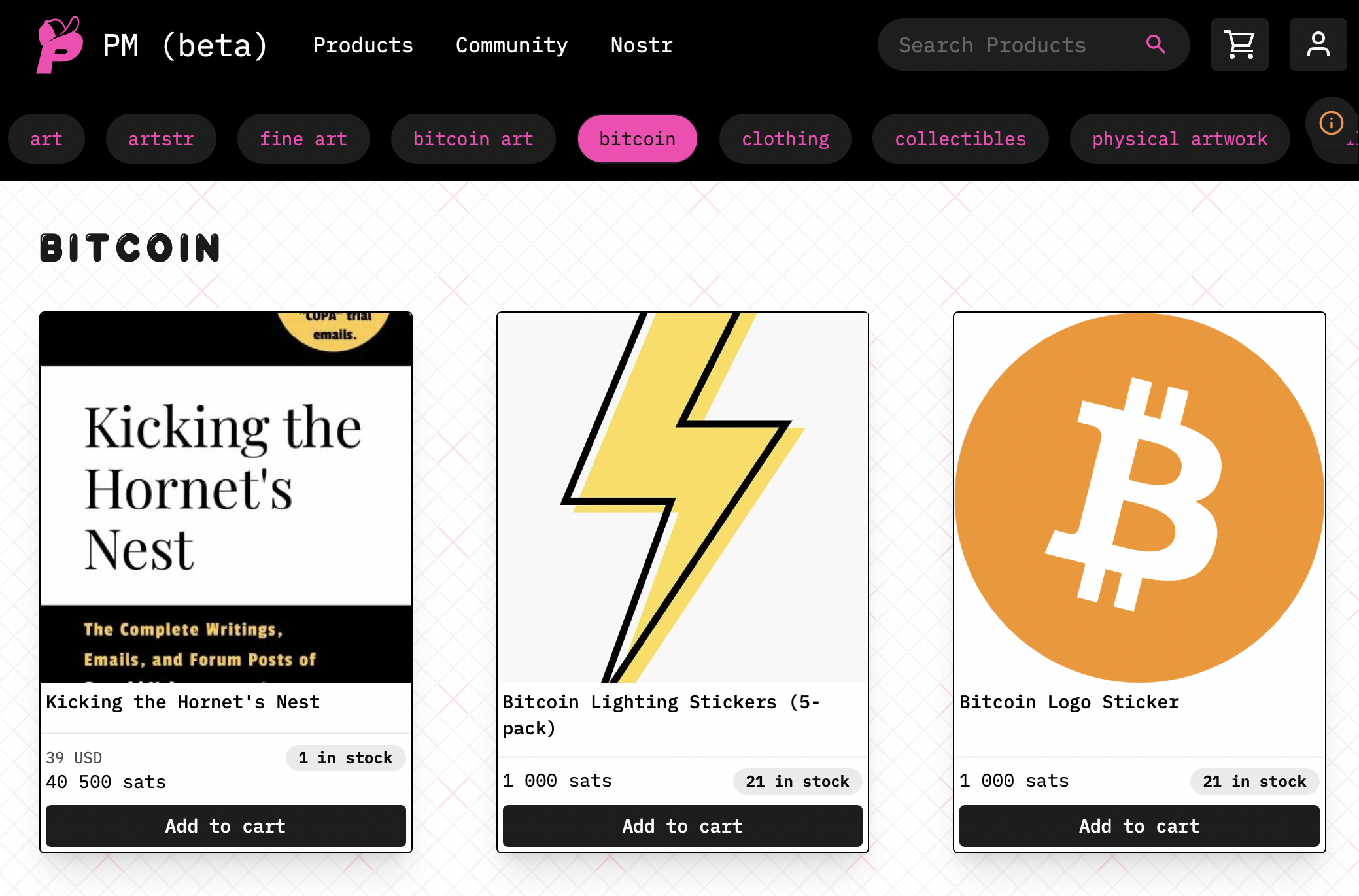
Now here's a twist - some creators run shops without middlemen by tapping into Lightning. Money stays where it belongs: with the person selling. Prices? Usually lower, since nobody adds invisible fees along the way.
Even online items fit here. Think about creators offering artwork through screens, authors sharing stories one at a time, while tunes flow straight from performers to listeners.
8. Use paywalled APIs with automatic small payments
Out of nowhere, a bot taps into paid tools by routing payments through Lightning. It creates its own bill, settles up without asking, and pulls down what it came for. Payment happens mid-task, quiet and unseen.
Pay-per-use systems for artificial intelligence run on their own. Rather than signing up for costly monthly access, costs match exactly what you ask the system to do.
A single idea works across every kind of data feed. Take weather reports, market numbers, road updates. Payment might shift to each request rather than a flat fee every month.
Most old-school payments fall short here. Too much expense compared to what the data is worth. With Lightning, the math finally works. It turns a loss into sense.
9. Use Money Rules to Reduce Fake Posts Online
Messy streams of fake clicks flood each network. Payment per click clears the noise, coins sort signal from clutter.
Messages headed your way on Nostr might carry a tiny fee. Not large, won’t upset actual humans. Yet just high enough to make robotic junk mail pointless. Profit vanishes when bots have to pay.
A few sites work like that when sharing posts. For each post you make, there is a small charge sent to people who view it or write things. Most regular folks barely feel the expense, yet those sending junk messages find it too costly to keep going.
Motivation to make better work comes from how people pay. Those who write well receive small payments. Creating junk takes effort but brings zero returns.
10. Apps That Protect Privacy Using Hidden Payments
Most folks don’t realize how hidden lightning transfers really are. Through a chain of links they move, where middle points miss both start and end spots. Only the final receiver knows who sent what.
A person working in journalism might get messages from sources who want to stay hidden. People sharing sensitive information can cover server costs while keeping their name out of it. Privacy-minded tools make this kind of protection possible.
Nobody can view the entire journey because each relay just recognizes its immediate neighbors. Like Tor, it relies on layered encryption to pass data through links. One step at a time, information moves without revealing origin or destination. The whole route stays hidden from every participant.
Payments can go through without names showing up on certain Nostr setups. Even if no identity appears, the transfer holds solid math proof behind it. One person sends, another receives - traceability drops away. Verification stays intact despite the hidden sender.
The Technical Foundation
A spark jumps when two users open a path between them. Inside that link, coins are held by both at once, needing agreement to move. Back-and-forth transfers fly without delay, no waiting each time. Once finished, the door shuts and only the last result gets recorded out in the open.
Folks who lack a straight connection can still send money, someone else’s node helps pass it along. Like data hopping between web servers, the system picks a chain that works.
A fraction of a satoshi fits inside certain versions of the system. Think under one ten-thousandth of a dollar right now with Bitcoin values. Older ways of sending money just fall short there.
Real-World Adoption
Fresh out the gate, Wallet of Satoshi skips the hassle. Pull it down onto your device, tap once to make a destination, then wait for funds to roll in. Channels? Never touch them. Setup headaches? Not here. Smooth from first move to last.
With these tools, Phoenix or Breez manage channels behind the scenes, yet you hold onto your own keys. Control stays in your hands, even as tasks run on their own.
Businesses that want to take Bitcoin might try OpenNode or BitPay. Using the Lightning Network becomes possible through these platforms. Integration happens smoothly with tools like Shopify, also Stripe support is built in. Technical skills aren’t needed when setting up payment options. Accepting crypto turns into a straightforward task for online stores.
 Moctar Builder
The Limitations
Not every transaction works smoothly here. Sending more bitcoin than your channel holds just fails. For bigger payments, several routes might be needed instead. Sometimes, moving the transfer onto the main chain becomes necessary.
Getting paid needs inbound funds. Before receiving bitcoin, many newcomers must send some out. With managed wallets, that step goes away, though control slips a little.
Occasionally, the system struggles to route data correctly. When payments stall, another attempt usually fixes it. Improvement is happening, though perfect performance hasn’t arrived. Still, progress shows week by week.
Security Considerations
So far, no large-scale breaches have happened despite known risks. Some possible methods like channel jamming exist on paper only. Flood-and-loot scenarios plus swap manipulation show up in studies. Real-world cases remain absent through 2026.
When flaws show up, those building Lightning fix them fast. Staying current with your wallet updates matters a lot.
Folks who’ve been around awhile often compare Lightning to carrying cash. Spend from it, sure, but don’t leave much sitting there. Bigger sums? Those stay safer locked up offline or recorded directly on the blockchain.
What's Next
Folks saw a jump in companies using Lightning during 2024. Right now, in 2026, that pattern hasn’t slowed down one bit. Big names like Square are on board, along with Binance and OKX backing the system.
Fresh ways to apply it emerge every day. Built at first just to handle more payments, now it supports kinds of apps that didn’t exist before.
Right now, ten of these work just fine. Forget ideas on paper. Skip the theory stuff. Try them out whenever you feel like it.
Built to handle more transactions, Lightning shows Bitcoin’s hidden potential. Today, it reveals abilities far beyond early guesses.
—Disclaimer
This article is for informational and educational purposes only. It does not constitute financial, investment, or legal advice. Lightning Network and Bitcoin involve risks, including potential loss of funds due to technical issues, user error, or security vulnerabilities. Always conduct your own research and consider consulting with qualified professionals before making any financial decisions. Cryptocurrency investments are highly volatile and may not be suitable for all investors.
